
30
years
Myanmar electricity-sale term
PPA signed · March 2016
300 MWp covered by the signed agreement; term begins at commercial operation.
Founded in 2011, Convalt Energy began as a renewable-energy developer focused on international markets. Its early work included a long-term solar power purchase agreement in Myanmar and development partnerships and technical studies in Laos.
In 2021, Convalt acquired SunPower’s solar-panel production equipment in Oregon, taking a concrete step toward U.S. manufacturing. Agreements signed in 2026 advanced the flagship Project Golden Eagle manufacturing campus in Gallup and Lesotho energy and digital-infrastructure development, extending the company’s focus across energy, manufacturing and local economic opportunity.
Browse source library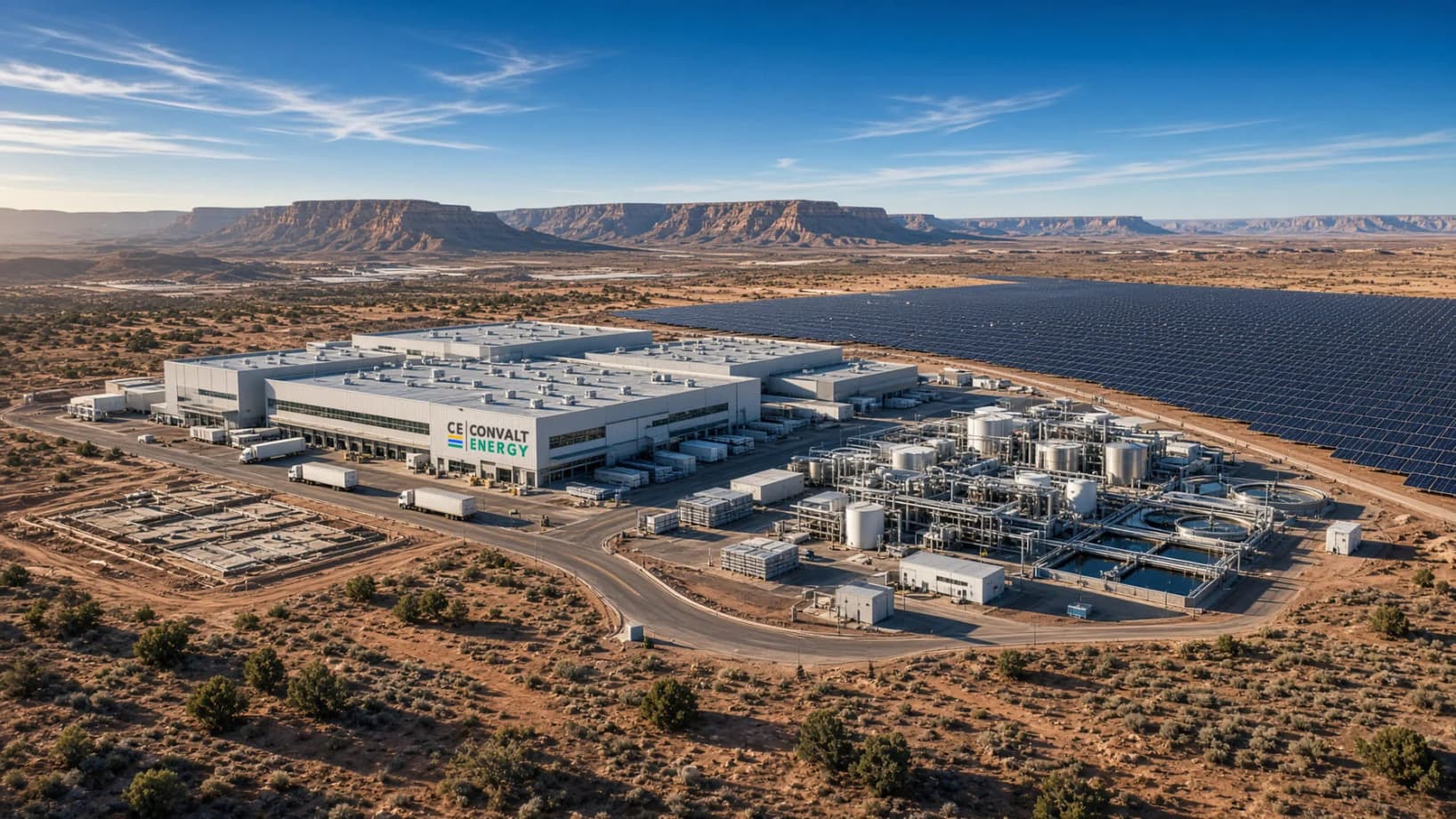
Contractual, equipment and workforce milestones from Convalt’s development history.
PPA signed · March 2016
300 MWp covered by the signed agreement; term begins at commercial operation.
Acquisition · April 2021
SunPower production equipment acquired; two lines documented in the March 2022 agency record.
MOU signed · November 2024
Lai, Bongor and Moundou: a proposed 3 MW of solar with 1.5 MWh of storage.
USW agreement · August 2024
A commitment to a free and fair organizing process for employees.
The agreements, project choices and relationships behind the headline announcements.
Convalt’s flagship development in Gallup brings solar-cell and module manufacturing together with onsite power and reclaimed process water. A binding land purchase agreement and local shareholder partnership provide a documented foundation for the proposed campus.
Proposed scope, not completed capacity or benefits delivered. Power combines solar, batteries and gas engines. Manufacturing water would use allocated municipal effluent. Solar glass is a potential future phase. Subject to financing, final design, permitting and approvals.
A 2014 development agreement was followed by a 2016 power purchase agreement and a contractor-confirmed grid-infrastructure contract in 2017. These milestones covered electricity sales, substations and transmission works.
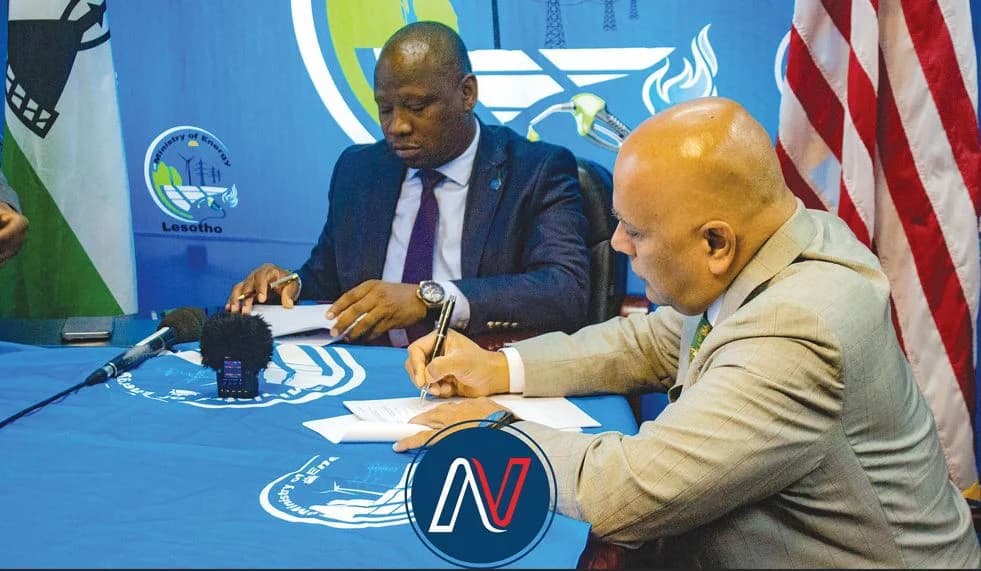
A binding development agreement, embassy-hosted event and U.S. government recognition mark the partnership’s progress. The proposal combines power generation, solar, storage and digital infrastructure.
Specific commitments and project choices, with their documented or intended benefits.
Project Golden Eagle plans to treat allocated municipal effluent for industrial use rather than use Gallup’s drinking water. The plan distinguishes approximately 1 million gallons per day of initial feed from 3 million gallons per day of treatment capacity.
Intended benefit: reserve drinking water for community use while recycling process water across campus operations.
The campus plan combines solar, batteries and gas-engine backup behind the meter, primarily serving manufacturing directly.
Intended benefit: reduce reliance on Gallup’s grid for the factory’s operating demand. The proposed mix includes fossil-fuel backup.
Convalt described a dual-market approach in 2021: supply outside customers and potentially use its manufactured modules in its own projects. The June 2026 Lesotho announcement retained a possible future module-supply opportunity, subject to definitive agreements.
Strategic rationale: connect manufacturing plans with project-development experience and potential demand. This is a commercial approach; the Lesotho announcement does not establish a signed module order.
The 2024 USW agreement commits Convalt to refrain from pressure or intimidation during employees’ unionization efforts.
Documented benefit: a commitment to a free and fair organizing process. The agreement sets a specific standard for worker treatment rather than relying on a general promise of good jobs.
Convalt’s Myanmar contractor agreement covered grid infrastructure as well as the solar sites. Its later Laos work included a 500 kV cross-border transmission study with Electricité du Laos.
Strategic rationale: develop the means of delivering power to buyers alongside generation. The records demonstrate signed engineering and study steps, not completed transmission networks.
Convalt’s published plans prioritize qualified local workers and suppliers, training, and ownership opportunities for eligible employees.
Intended benefit: retain more spending locally and create opportunities for skills and employee wealth building. These are proposed measures, not benefits already delivered.
The latest steps established by the cited sources, with each development’s remaining work clearly identified.
The binding land agreement, July council presentation and September planning records document progress. Next steps include financing, engineering and required approvals. The city has scheduled the planning appeals for 5 November 2026; no outcome is established as of 1 November.
Explore the projectA development MOA, a reported embassy-hosted event and an October U.S. government statement document the partnership’s progress. Feasibility, financing and definitive agreements remain development steps.
Explore the projectIndependent reporting identifies the 2022 development agreement and continuing concession and power-purchase preparations.
Explore the projectThe documented agreement covers 3 MW of solar and 1.5 MWh of battery storage. Commissioning is not established by the cited announcement.
Explore the projectExplore each project’s scope, development stage and history.
| PROJECT | SELECTED PUBLISHED SCOPE | STAGE |
|---|---|---|
| Project Golden Eagle | 3.6 GW cells / 3.0 GW modules | Financing & project development |
| Watertown Factory | 2 GW planned solar cell production | On hold |
| River Drivers Solar | 12 MW | Under development |
| New Mexico Panel Recycling | 1 GW of panels · company-published capacity | Permitting & development |
| Northern Maine Data Center | Phase 1: 500 MW; Phase 2: up to 2 GW | Under development |
| Redan Waste-to-Energy | 7.5 MW | Operating |
| Vizhag Waste-to-Energy | 7.5 MW | Development & financing |
| Mandalay Solar | 300 MW AC · historical development scope | Sold |
| Lao Solar | 1,200 MW | Under development |
| Chad Solar | 120 MW | Under development |
| Chad Rural Electrification | 30 MW AC · wider portfolio plan; separate MOU: 3 MW solar / 1.5 MWh storage | Under development |
| Sierra Leone Solar | 60 MW | Under development |
| Kobong Hybrid Infrastructure | 1,200 MW pumped storage; 4,300 MW solar; 400 MWh batteries · proposed overview | Feasibility & project development |
Development capacity is proposed, not commissioned. Redan is an operating portfolio asset; Mandalay is a sold development. Each project page presents its history and development plans.
Each entry identifies the step achieved. Proposed capacity and investment describe development plans; source notes provide further context.
34 milestones · earliest to latest
Established as a renewable-energy developer and portfolio company of ACO Investment Group, Convalt began building its international energy-development business.
Its subsequent work includes solar agreements in Myanmar and Laos, African energy partnerships and U.S. manufacturing plans.
The U.S. Department of the Interior named Convalt among 16 companies qualified to participate in Maryland’s offshore-wind lease auction. BOEM’s process assessed legal, technical and financial qualifications.
BOEM had completed its qualification review before naming the eligible bidders for nearly 80,000 acres offshore Maryland. Convalt’s inclusion established its eligibility to compete for federal wind leases alongside other qualified energy companies.
Qualification to participate in an auction; this entry does not claim a winning bid or lease award.
ACO Investment Group and Myanmar’s Ministry of Electric Power signed an agreement for two proposed 150 MW plants, with Convalt managing the project. U.S. Trade Representative Michael Froman led the signing ceremony.
The U.S. announcement presented this as Myanmar’s first solar-energy project, with an estimated $480 million development scope. Convalt’s project-management role placed it at the center of an early effort to introduce utility-scale solar and attract American investment into Myanmar’s electricity sector.
Mandalay is a sold project within Convalt’s development history.
Convalt’s project history records commercial operation of Redan’s 7.5 MW waste-to-power plant in Andhra Pradesh, India. The plant was developed and constructed by Redan Infrastructure Private Limited.
The project uses waste as fuel for electricity generation. This entry records the plant’s commissioning, rather than Convalt’s acquisition date.
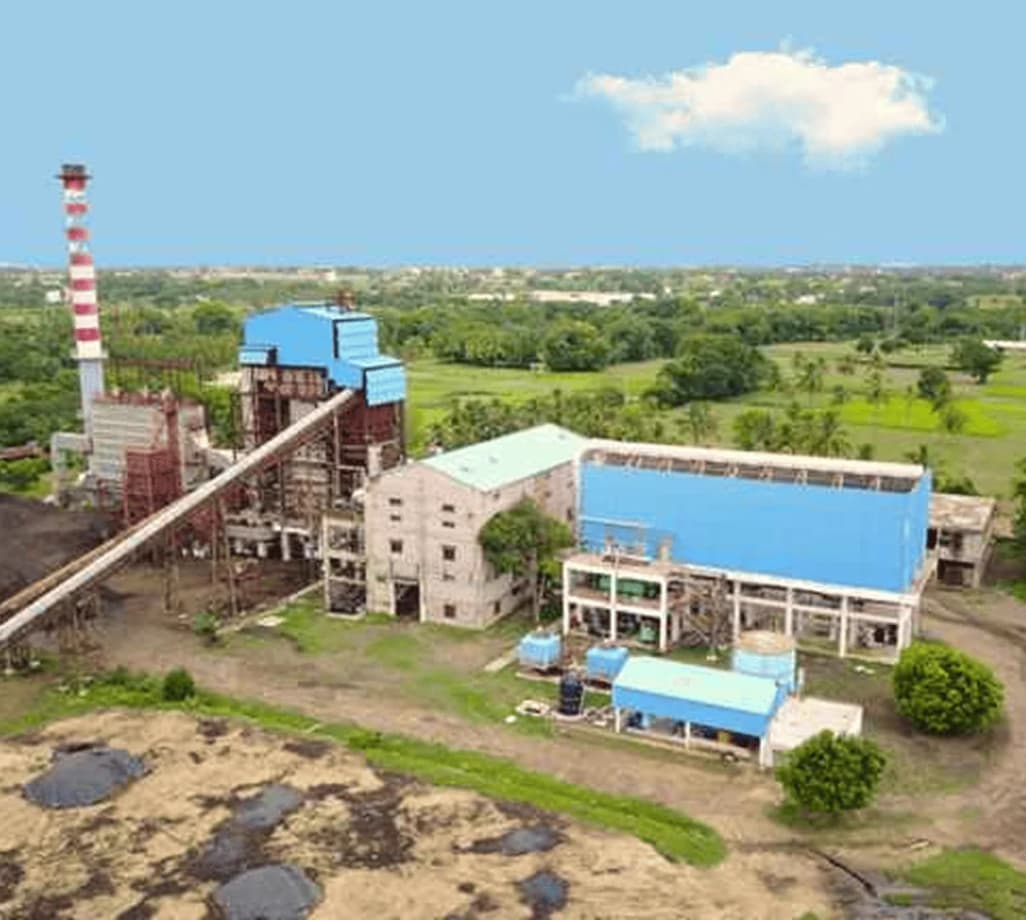
Convalt dates the original 250 MW AC Attapeu development to 2016.
Convalt and DigiCollect also report completing an initial site survey, providing a technical starting point for the feasibility study and prospective construction tenders. The survey’s completion date is not specified.
The original studies covered 250 MW AC; the later development proposal expanded to 1,200 MW.
A listed-company disclosure records a Power Purchase Agreement signed on 28 March 2016 between Convalt Energy Myanmar Company Limited and Myanmar’s Electric Power Generation Enterprise. It covered 300 MWp and a 30-year electricity-sale term from commercial operation.
The PPA established a long-term electricity buyer and contractual sales period for the solar development. A March 2022 JCIDA loan-review packet later described Convalt’s negotiated overseas PPAs, including Myanmar, as bankable. Together, these records document the signed offtake agreement and a subsequent agency description of its commercial quality.
The 30-year electricity-sale term begins at commercial operation. The March 2016 PPA and March 2022 agency record describe the contractual framework and subsequent assessment of bankability.
Bolikhamxay province and Convalt signed an MOU enabling surveys and a feasibility study for a proposed solar project on a 150-hectare site.
KPL identified Convalt as the first U.S.-based company to conduct such a study in Laos. The agreed work covered Namdeua village in Pak Kading, with approximately six months envisaged for the survey. The provincial governor attended the signing.
KPL’s first-company description concerns this type of feasibility study in Laos; it is not a claim that Convalt commissioned the country’s first solar plant.
RJE Global’s project profile records a turnkey engineering, procurement and construction contract signed in August 2017 with Convalt for the Myanmar solar development’s electrical infrastructure.
The contracted scope included transformers, 230 kV and 132 kV substations, upgrades at Thapyewa and Myingyan, and approximately 30 miles of double-circuit transmission line. This is a concrete contractor- confirmed step toward connecting the planned solar sites to the grid.
The engineering profile describes 300 MW AC; the PPA disclosure states 300 MWp. Each figure relates to its respective contractual scope.
Convalt signed MOUs with the Ministry of Planning and Investment and provincial authorities for proposed solar developments in Bolikhamxay and Attapeu. The announced program totaled 300 MW.
The two-location program linked the Attapeu and Bolikhamxay opportunities under formal government cooperation. It was followed the next month by letters of intent with equipment, financing and feasibility partners—documented steps toward assembling the project-development team.
The MOUs covered development work for the proposed solar projects.
Convalt signed letters of intent covering equipment, potential financing and feasibility work. U.S. Secretary of Commerce Wilbur Ross and Lao officials witnessed the ceremony.
GE’s intended role concerned equipment, Cathay United Bank’s potential financing, and DigiCollect’s feasibility work. The agreements coordinated three different project needs, with U.S. Secretary of Commerce Wilbur Ross and Lao officials witnessing the signing.
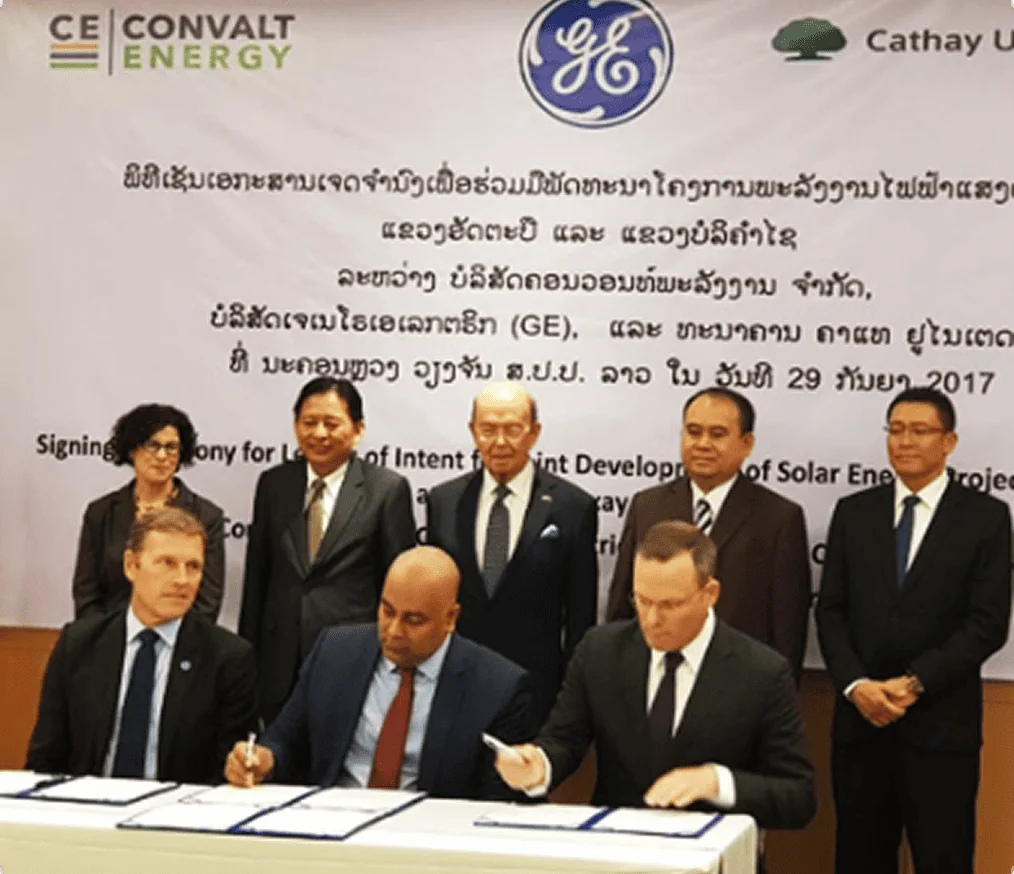
The letters of intent outlined prospective equipment, financing and feasibility-study partnerships.
Convalt’s Attapeu register records feasibility certificates as approved on 26 December 2017.
The approval related to the project’s feasibility studies.
Attapeu’s records list inception and quarterly feasibility reports submitted to the Lao government in Lao and English.
ACO and Viet-Lao Power signed an investment-cooperation MOU involving Convalt, covering prospective generation and transmission development in Laos to supply Vietnam.
Viet-Lao Power’s account describes ACO’s intended role in mobilizing investment funds, lenders and development-finance institutions, with Convalt as a prospective co-investment vehicle. The cooperation specifically connected generation in Laos with transmission and sales into Vietnam.
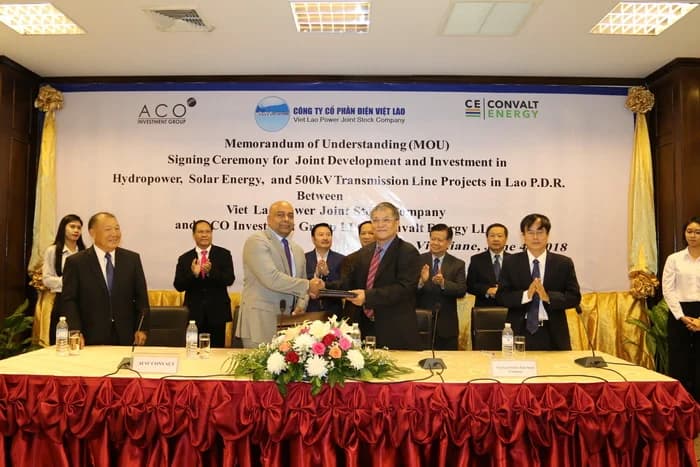
A cooperation framework for future development, not an executed electricity supply contract.
The Stimson Center listed Convalt founder and CEO Hari Achuthan on its panel on U.S. engagement in Indo- Pacific infrastructure and development, alongside policy and investment specialists.
The forum examined infrastructure investment, energy-sector improvements and digital development in the Indo-Pacific. Its announced keynote speakers included National Economic Council official Clete Willems and Congressman Ted Yoho, a co-author of the BUILD Act.
Participation in a policy forum; not a government endorsement or funding award.
Convalt reports that its third feasibility-study issue was submitted four months early in November 2018 and received interim approval.
This milestone formed part of the project’s feasibility-study process.
The Attapeu register records its environmental-compliance certificate milestone as complete on 13 December 2018.
This entry records the environmental-compliance milestone in December 2018.
Electricité du Laos and ACO/Convalt signed an MOU to study a proposed 500 kV connection from Hatxan in southern Laos to Pleiku, Vietnam. Viet-Lao Power reported the ceremony, attended by U.S. and Lao representatives.
The proposed Hatxan–Pleiku route connected southern Laos with Vietnam’s power market. The agreement therefore addressed transmission as well as generation: a study of the infrastructure needed to carry electricity across the border.
The milestone concerns a feasibility study, not a completed transmission line.
Convalt acquired solar-panel production lines from SunPower’s Hillsboro, Oregon facility, a concrete step in its move into U.S. solar manufacturing.
The acquired lines had most recently produced SunPower’s shingled P-Series modules at the former SolarWorld plant. The purchase preserved a tangible manufacturing-equipment base for Convalt’s U.S. plans. In its contemporary interview, the company described an intended combination of sales to third parties and use of modules in its own developments.
The equipment acquisition formed part of the groundwork for U.S. manufacturing. The Watertown factory remains on hold.
A JCIDA loan-review packet recorded eight locally hired people already working on Convalt’s Watertown project, including operations, strategy and human-resources roles.
This is a small but tangible employment milestone: an operating project team, rather than a forecast of future factory jobs. The positions supported coordination and preparation of the manufacturing proposal.
The eight positions reflect the local project team in March 2022.
JCIDA’s hearing notice records Convalt’s application for a manufacturing development on approximately 88.51 acres near Watertown International Airport. The submitted scope included production, warehousing, utilities and site improvements.
The application concerned the earlier module-manufacturing proposal, with a public hearing scheduled for 26 May 2022.
The Laotian Times reports that Convalt signed an Attapeu Project Development Agreement in August 2022. Its October 2025 coverage describes a planned 1,200 MW solar development.
By October 2025, The Laotian Times described an expanded 1,200 MW proposal. The positive contractual milestone is the signed development agreement; the later report identified concession and power-purchase preparations as continuing work.
The August 2022 agreement was covered in October 2025 reporting, which described continuing concession and power-purchase preparations.
An SEC-filed company announcement confirmed that the automated assembly lines acquired from SunPower had been relocated from Hillsboro, Oregon, to Watertown. This brought the equipment closer to the proposed manufacturing location.
The relocation brought the acquired equipment to Watertown as part of project preparation.
Convalt presented its solar-investment plans to Chad’s ambassador and project partners at the embassy in Washington, D.C., establishing a documented point of engagement for its Chad development program.
The embassy’s account identified a proposed 120 MW solar investment. This meeting brought Convalt’s proposal into direct discussion with Chad’s diplomatic representatives and project partners in Washington, ahead of the separate three-community agreement reported the following year.
The meeting advanced discussions with government representatives and project partners.
Hari Achuthan’s published staff-conference testimony set out Convalt’s strategy for rebuilding domestic solar production and explained how import pricing affected its planned U.S. manufacturing investment.
The testimony linked Convalt’s 2021 equipment acquisition with its ambition to manufacture across the solar supply chain. The official investigation record lists Achuthan as a Convalt participant, documenting the company’s direct contribution to the trade-policy process.
Participation and stated strategy are established here; historical production forecasts in the testimony are not treated as completed factories or output.
Convalt and the United Steelworkers agreed to protect workers’ freedom to organize, including a commitment against pressure or intimidation during unionization efforts.
USW publicly welcomed Convalt’s commitment. The practical protection was explicit: the company agreed not to pressure or intimidate employees during organizing efforts, supporting a free and fair election. This was a signed worker-rights commitment, with benefits defined in the agreement itself.
The signed agreement is the milestone; planned factory employment is not counted as jobs already created.
Journal du Tchad dates the signing to 29 November 2024, naming Energy Minister Passalé Kanabé Marcelin and Convalt CEO Hari Achuthan. The agreement covers Lai, Bongor and Moundou; pv magazine reports 3 MW of solar and 1.5 MWh of battery storage in total.
The agreement pairs solar generation with batteries to support electricity availability beyond immediate solar production. Delivered service levels will depend on final design and project execution.
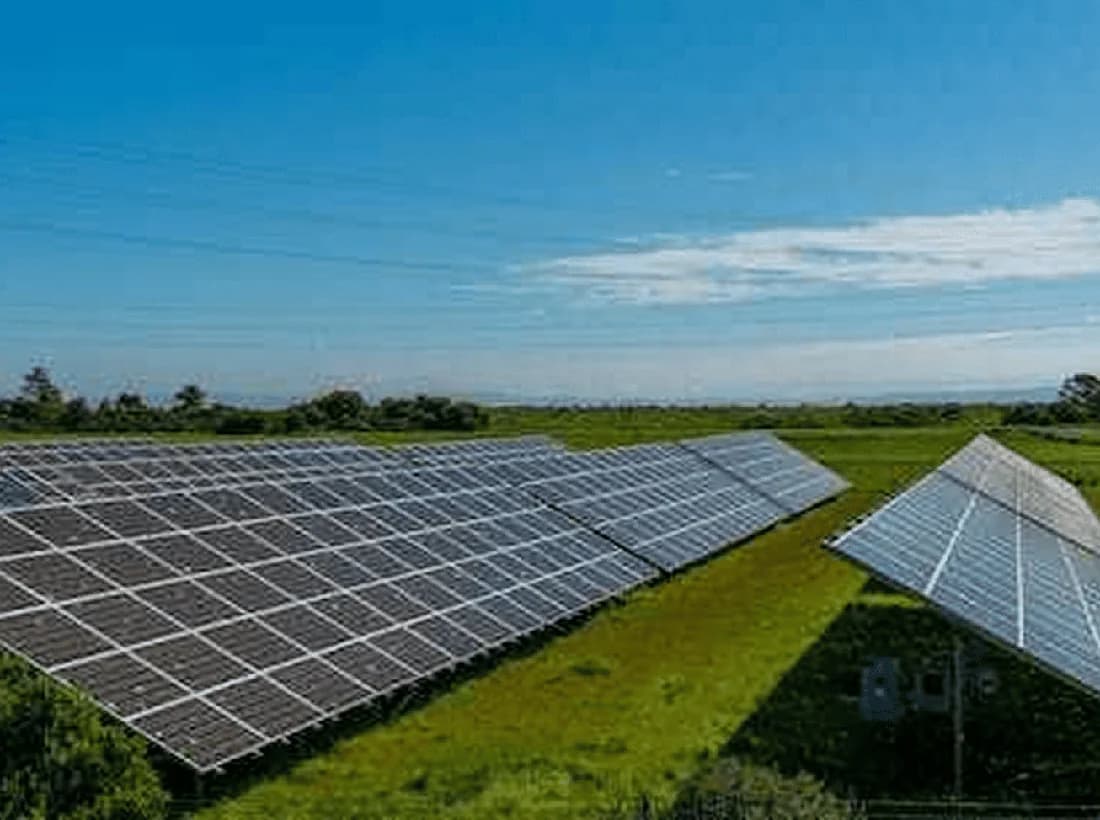
The agreement was signed on 29 November 2024 and announced in reporting on 2 December 2024.
According to Lesotho’s energy principal secretary, a meeting in Morocco initiated discussions with Convalt that led to a proposal and subsequent feasibility-study agreement for Kobong.
The energy principal secretary identified this meeting as the starting point for the discussions that led to Convalt’s proposal. The resulting agreement established a 12-month feasibility-study period, giving the relationship a defined technical next step.
The August 2025 discussions were described by Lesotho’s energy principal secretary in June 2026.
Convalt announced a binding Memorandum of Agreement with Lesotho’s government. Local reporting describes an initial 12-month feasibility-study period, with government information-sharing and a study review before a future implementation agreement.
The June announcement described up to 1.2 GW of power generation, approximately 4.6 GW of solar and up to 4 GWh of storage, alongside a data-center opportunity. The agreement created a framework for technical assessment and further project development.
The June 2026 announcement outlined 4.6 GW of solar and up to 4 GWh of storage. The project overview presents a separate scope of 4.3 GW and 400 MWh. Development remains subject to feasibility, financing, permitting and definitive agreements.
Convalt announced a binding Purchase and Sale Agreement with Gallup Land Partners for the proposed manufacturing campus. The announcement also welcomed GLP as a Convalt shareholder.
The agreement joined a manufacturing developer with an established local land partner, which also became a Convalt shareholder. The announced campus could create approximately 900 permanent jobs and more than 1,000 construction jobs, with investment of up to $5 billion across its phases.
The land agreement supports the proposed campus, with investment of up to $5 billion across its development phases.
Gallup Sun reports that Convalt’s CEO presented the proposed campus to Gallup City Council and answered questions on the project. The presentation brought manufacturing, power and water-treatment plans into public discussion.
The council presentation introduced the campus plans and provided an opportunity for questions from local leaders.
Convalt’s 31 July release reports that the U.S. Embassy hosted an event the previous day celebrating approval of the Memorandum of Agreement, attended by government, diplomatic and business representatives.
The company reported participation by Lesotho’s energy, technology and environment ministers, diplomats and business leaders. Its release also credited the U.S. Embassy with introducing Convalt to government decision- makers, documenting the commercial-diplomacy work behind the agreement.
The event marked progress in the development partnership for the proposed $6.2 billion project.
Atlas Public Policy identified Convalt’s proposed $5 billion New Mexico campus as the largest U.S. clean-energy manufacturing investment announcement since January 2025 in its Q2 2026 review.
The achievement is independent visibility for the scale of Gallup’s announced investment. Atlas compared the proposal with other U.S. clean-energy manufacturing announcements; its ranking concerns announced capital, rather than expenditure already made.
Atlas Public Policy’s comparison concerns announced U.S. clean-energy manufacturing investment.
A City of Gallup notice confirms the Planning and Zoning Commission approved a heavy-manufacturing conditional-use request submitted by Convalt Manufacturing on behalf of Gallup Land Partners.
The approval established a limited land-use milestone for the Carbon Coal Road site, excluding non-glass Phase 2 operations. Both residents and Convalt appealed. The city’s amended notice schedules consideration of those appeals for 5 November 2026; no outcome is established as of this 1 November review.
The September 2026 public notice describes a limited conditional-use approval. Both appeals are scheduled for consideration on 5 November 2026.
In his official statement marking Lesotho’s 60th independence anniversary, Secretary of State Marco Rubio specifically cited Convalt’s proposed $6.2 billion hydropower and data-center project in discussing stronger U.S.–Lesotho commercial ties.
The reference placed Convalt’s project in a current, high-level bilateral statement. It adds direct U.S. government recognition to the documented development agreement and the earlier embassy-hosted project event.
The statement recognized the project within U.S.–Lesotho commercial relations.
No milestones match that filter.
Government records, counterparty announcements and company disclosures support the milestones. Content reviewed 13 October 2026.
Engineering, workforce and regional cooperation.
This is a selection of documented company and portfolio milestones. Dates identify the event or the reporting date shown. Company records are labeled separately from government, partner and independent sources. An MOU, study, approval or proposed investment does not establish financial close, construction completion or commercial operation. Historical scopes and project ownership may change.