American Energy
Manufacturing.
A proposed advanced-manufacturing campus bringing solar-cell and solar-module production, hundreds of jobs, and long-term investment to Gallup, New Mexico.
What Is Being Proposed?
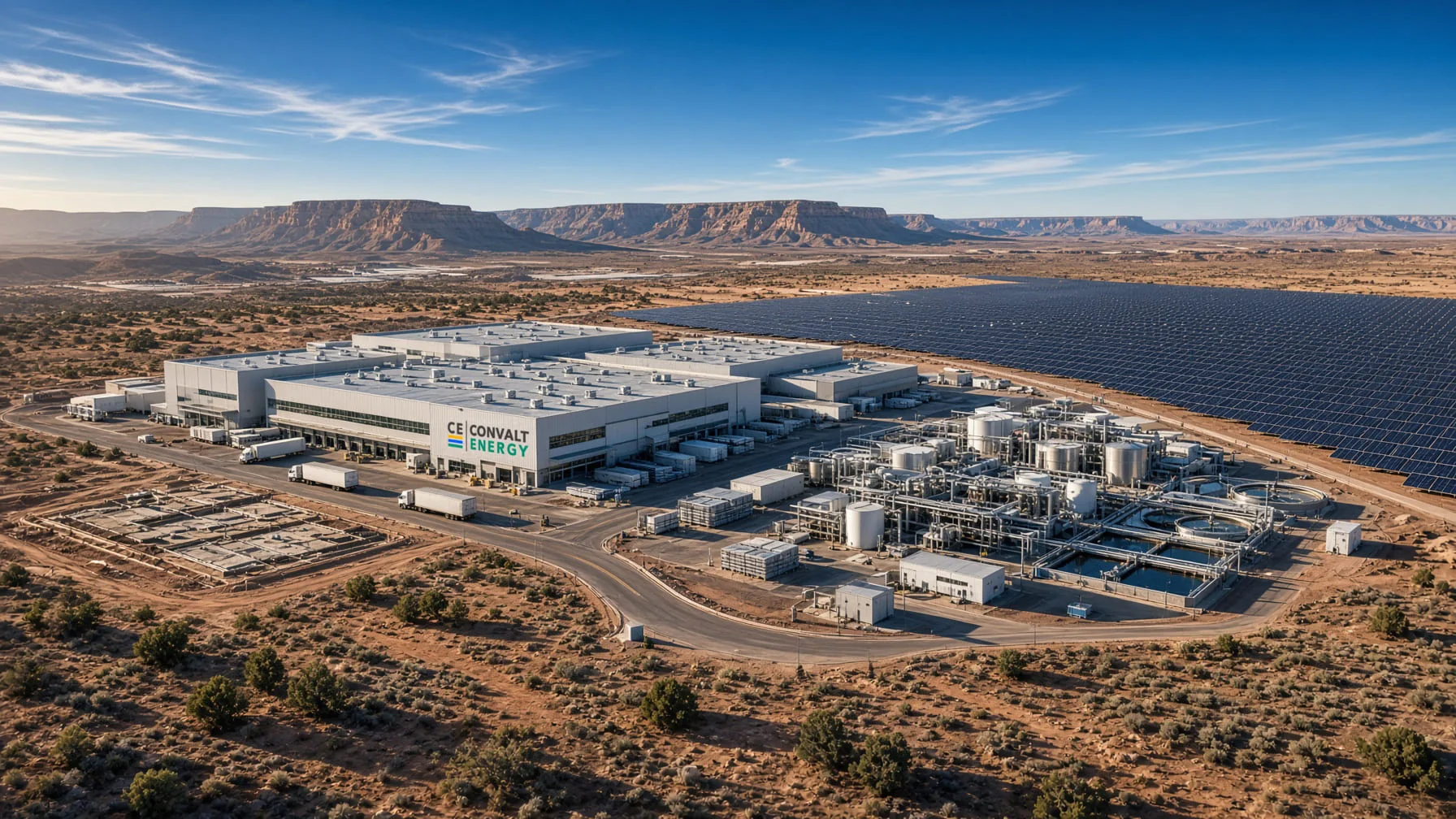
Convalt Energy has entered into a binding Purchase and Sale Agreement with Gallup Land Partners (GLP) to develop an advanced manufacturing campus in Gallup, New Mexico, approximately two hours from Albuquerque.
The campus will integrate three operations:
- Solar Manufacturing: Production of solar cells and modules.
- Power Generation: Up to 1 GW of behind-the-meter capacity to directly serve manufacturing operations.
- Water Treatment: A reverse-osmosis plant with 3 million gallons per day of treatment capacity, producing process water from treated sewer effluent.
Solar-glass manufacturing is contemplated for a future phase, subject to separate review and approval.
This Is Not a Data-Center Project
The Gallup project is an advanced-manufacturing campus that produces physical components for the solar-energy industry. Its computing and automation systems exist to support manufacturing functions — production control, quality assurance, inventory management, logistics, and security — not to house third-party data-center operations.
What Will Be Manufactured
These are essential components of America's growing domestic solar-manufacturing supply chain.

HJT-technology cell manufacturing as the campus's first production phase. Planned capacity of 3.6 GW.

Finished solar panels for residential, commercial, and utility-scale use. Planned capacity of 3.0 GW.

Future phase, subject to separate review and approval.
Real Jobs. Real Investment. Real Impact for Gallup.
At Full Buildout
Initial construction is anticipated to proceed through 2028, although the schedule may evolve as financing, design, and permitting advance. Final job counts, investment levels, and phase timing will depend on project execution and market conditions.
What the Jobs Pay
Gallup Poverty Rate in Context
Rates vary by source and year. If developed as planned, the project's employment and investment could contribute meaningfully to closing this gap over time.
How Will the Community Benefit?
If developed as planned, the project has the potential to:
- ~900 permanent jobs at full buildout.
- Additional construction and supplier jobs.
- Broader regional employment.
- Create 1,000+ construction jobs.
- Support skilled trades and contractors.
- Create engineering and logistics employment.
- Create accessible entry-level careers.
- Prefer high-school diplomas for many roles.
- Offer training and long-term career growth.
- Develop 3D-printed employee housing concepts.
- Aim to improve housing availability.
- Target lower residential construction costs.
- Offer ownership opportunities to eligible employees.
- Strengthen compensation and retention.
- Support long-term wealth building.
- Treat allocated municipal effluent onsite.
- Produce water for industrial use.
- Invest in reliable wastewater reuse infrastructure.
- Primarily power campus with behind-the-meter generation.
- Combine solar, batteries, and gas-engine backup.
- Reduce reliance on Gallup's grid.
- Support health clinic development.
- Plan preventive care for employees and Gallup residents.
- Extend planned access to neighboring tribal communities.
- Expand Gallup's manufacturing base.
- Diversify the regional economy.
- Strengthen Gallup's national solar and clean-energy role.
- Strengthen campus fiber-optic connectivity.
- Support broadband capacity across Gallup.
- Expand digital access and economic opportunity.
- Combine solar generation and agriculture across 100 acres.
- Support agricultural jobs and local economic activity.
- Create opportunities for additional farm income.
- Prioritize qualified local businesses and workers.
- Expand opportunities for contractors and suppliers.
- Keep more project spending in the region.
- Support a separate sister-entity desalination initiative.
- Target up to 100 million gallons daily for New Mexico.
- Generate construction and operating tax revenues.
- Expand payroll, property, and related tax revenues.
- Benefit Gallup and McKinley County.
- Expand local solar access for McKinley County businesses and residents.
- Support lower energy costs.
- Strengthen energy independence.
Water
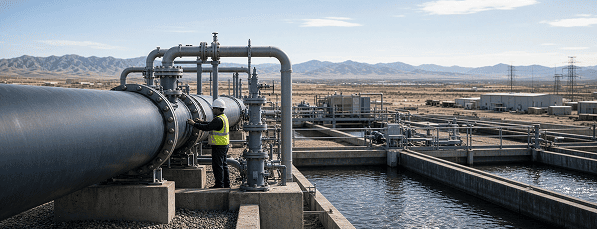
How the Water Works
Water availability is a key concern for major industrial projects. Convalt Energy will not use Gallup's drinking-water supply for its manufacturing processes.
- Effluent Treatment: The planned onsite plant will treat approximately 1 million gallons per day of City of Gallup sewer.
- Delivery Infrastructure: Water will flow through an existing Gallup Land Partners pipeline, with Convalt funding the connecting pipes.
- Water Reuse: Treated water will be recycled across manufacturing and power operations.
- Community Allocations: Manufacturing will use only effluent already allocated to the project, preserving unallocated supplies for future municipal and community needs.
Power
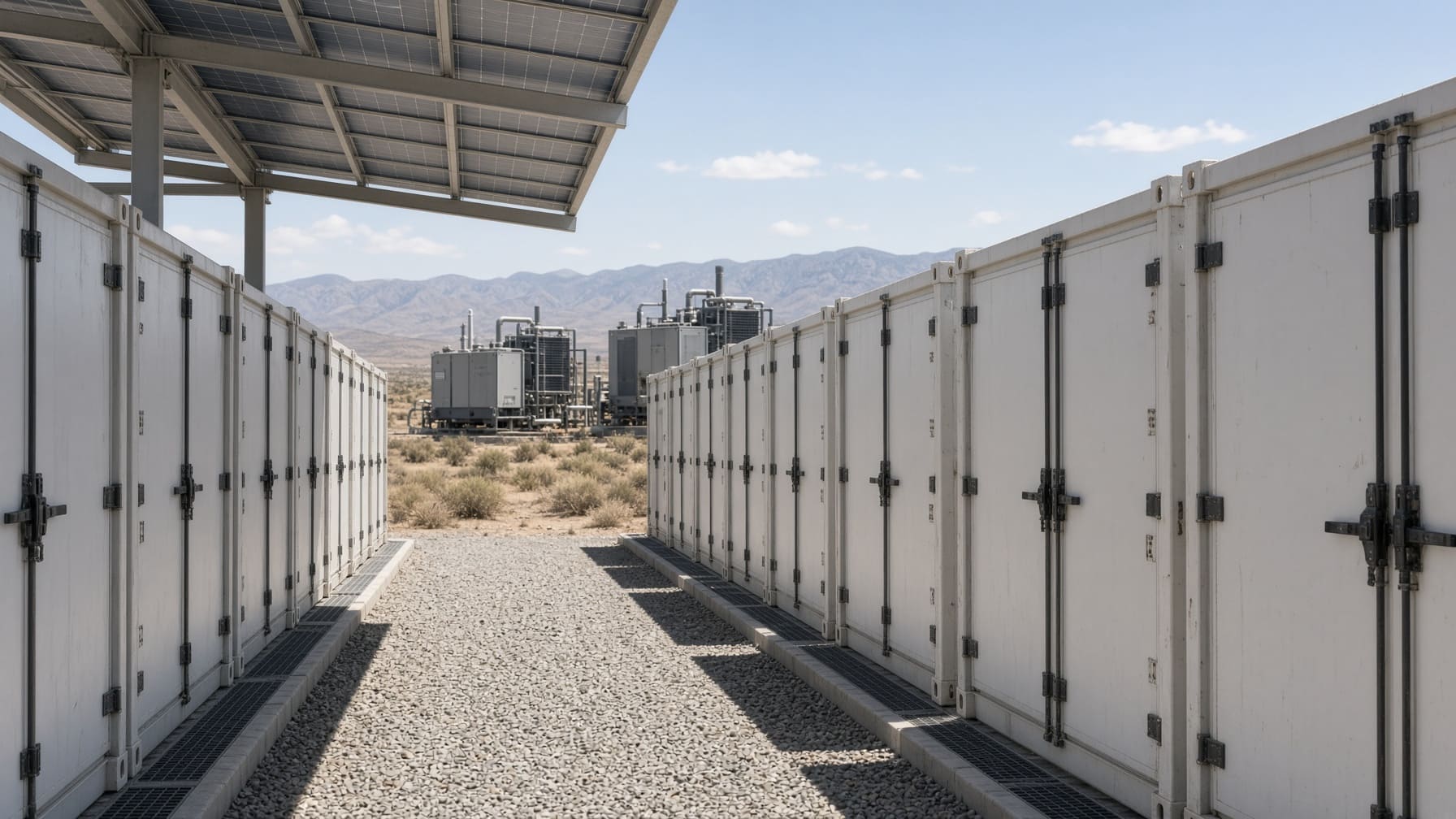
How the Power Works
"Behind the meter" means generating electricity primarily to serve the campus directly, reducing reliance on the city's electric system for the project's full operating demand.
- Planned Capacity: Up to 1 GW integrated into the industrial campus, rather than a separate utility-scale power project.
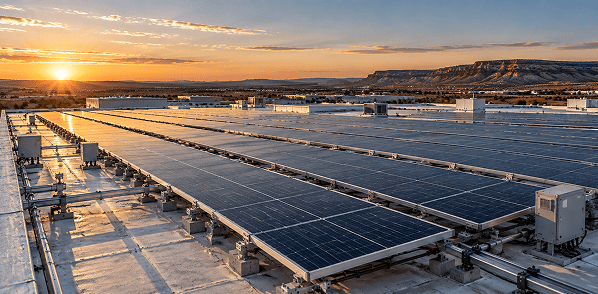
- Energy Mix: Solar generation, battery storage, and gas engines to support operations when solar output is insufficient.
- Emissions and Noise: Gas engines will incorporate emissions controls and noise attenuation.
- Regulatory Compliance: The system will comply with applicable air-quality, noise, safety, and construction requirements.
Why Gallup?
The proposed Convalt Energy project builds on this heritage through advanced manufacturing and solar energy, advancing Gallup's role as America's energy needs and technologies evolve.
- Energy Heritage: Coal mining, uranium, oil refining, and related industries shaped Gallup's economy and communities.
- Development Groundwork: Gallup Land Partners has spent over a decade investing in infrastructure, land planning, and regional partnerships.
- Industrial Evolution: Convalt's proposed campus builds on this heritage through advanced manufacturing and solar energy.
- Economic Diversification: Solar manufacturing would broaden Gallup's industrial base.
- Employment Potential: The project aims to create skilled jobs and support long-term economic growth.
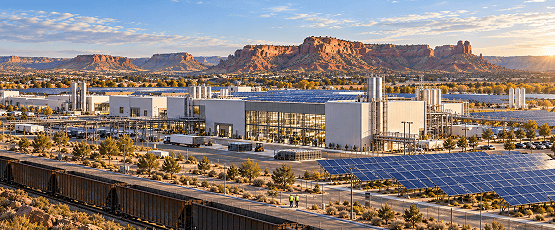
Convalt Energy Timeline
The project continues through the standard development process, with Gallup Land Partners and Convalt Energy committed to community engagement and accurate, transparent information.
- Infrastructure Planning: Coordinating utility and water requirements.
- Public Participation: Public hearings and required reviews will provide opportunities for questions, evidence-based evaluation, and community input as the project advances.
- Approvals and Review: Progressing through land-use approvals, permitting, and environmental review.
- Financing and Design: Advancing financing, final engineering, and design.

Construct with capital and conscience.
Convalt Energy / Gallup, New Mexico
Questions Residents Are Asking
Is this a data center?
No. This is an advanced-manufacturing campus producing solar cells and solar modules. Computing systems on site support manufacturing operations, not third-party data hosting.
Will this use Gallup's drinking water?
No. The project will use only previously-allocated treated effluent (sewer water), further processed onsite via reverse osmosis. It will not draw on drinking water or on unallocated effluent reserved for future community needs.
Will this strain the local power grid?
The project intends to meet its own power needs primarily through onsite behind-the-meter generation (solar, battery storage, and gas-engine backup) rather than relying on Gallup's existing grid.
How many jobs will this create?
Approximately 900 permanent jobs at full buildout, plus 1,000+ construction jobs during development.
When will construction begin and finish?
Initial construction is currently anticipated to proceed through 2028, though timing may shift with financing, design, and permitting.
How can I get involved or ask questions?
Through public information sessions, hearings, and the project contact channels listed on this site.