What Is Being Proposed?

Convalt Energy has entered into a binding Purchase and Sale Agreement with Gallup Land Partners (GLP) to build an advanced-manufacturing campus in Gallup, New Mexico. The campus will manufacture solar cells and solar modules, and will produce its own electricity and its own process water from treated sewer effluent to support those operations. Solar-glass manufacturing is contemplated as a future phase, subject to a separate review and approval process.

The campus will also include behind-the-meter power generation designed to serve the manufacturing operations directly, with capacity of up to 1 gigawatt (GW).

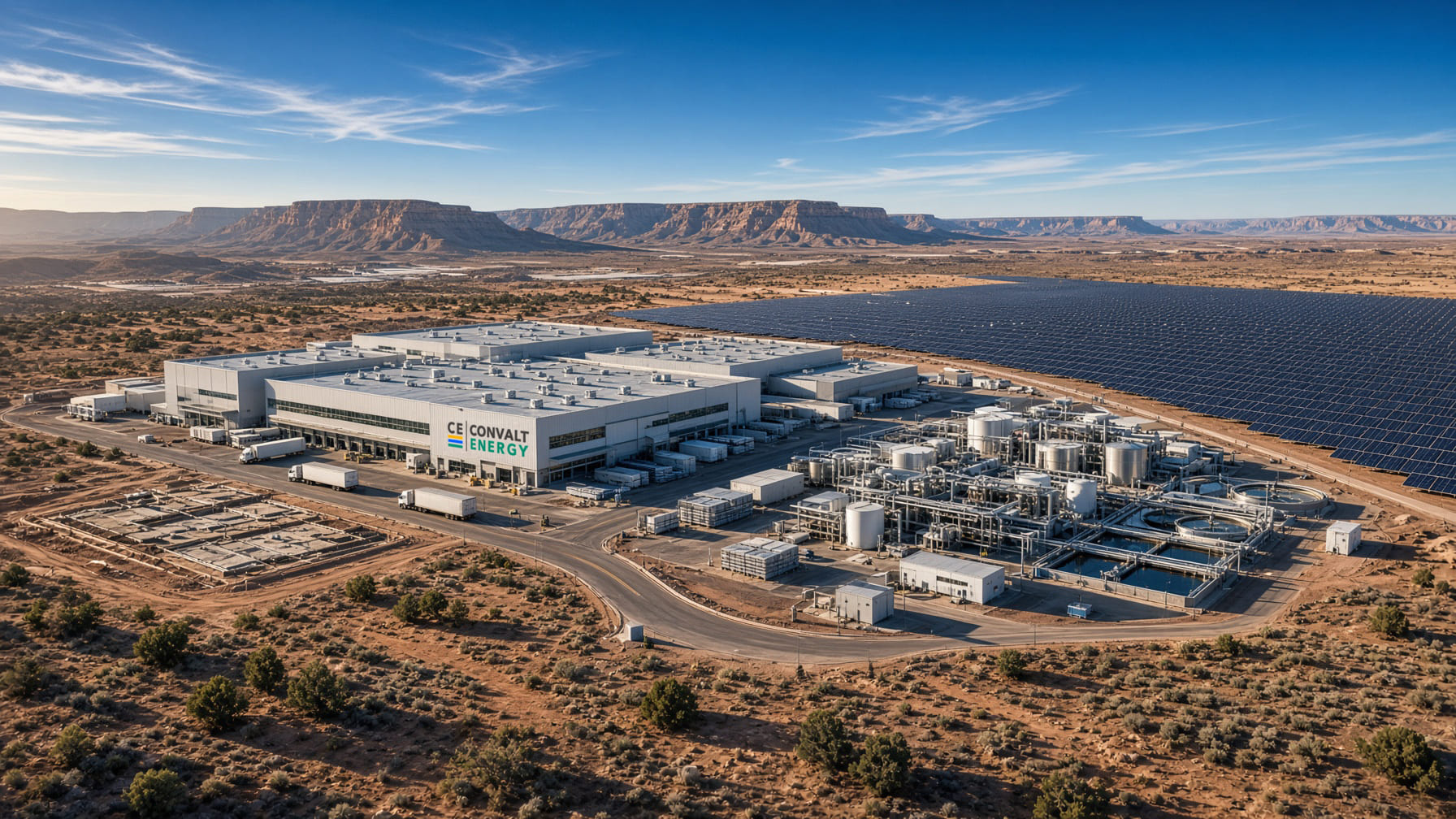
Three operations sit on one site: solar manufacturing, power generation, and a reverse-osmosis water plant with 3 million gallons per day of treatment capacity. The site is located about two hours from the Albuquerque metro area.

Clarification

This Is Not a Data-Center Project

The Gallup project is an advanced-manufacturing campus that produces physical components for the solar-energy industry. Its computing and automation systems exist to support manufacturing functions — production control, quality assurance, inventory management, logistics, and security — not to house third-party data-center operations.

What Will Be Manufactured

These are essential components of America's growing domestic solar-manufacturing supply chain.

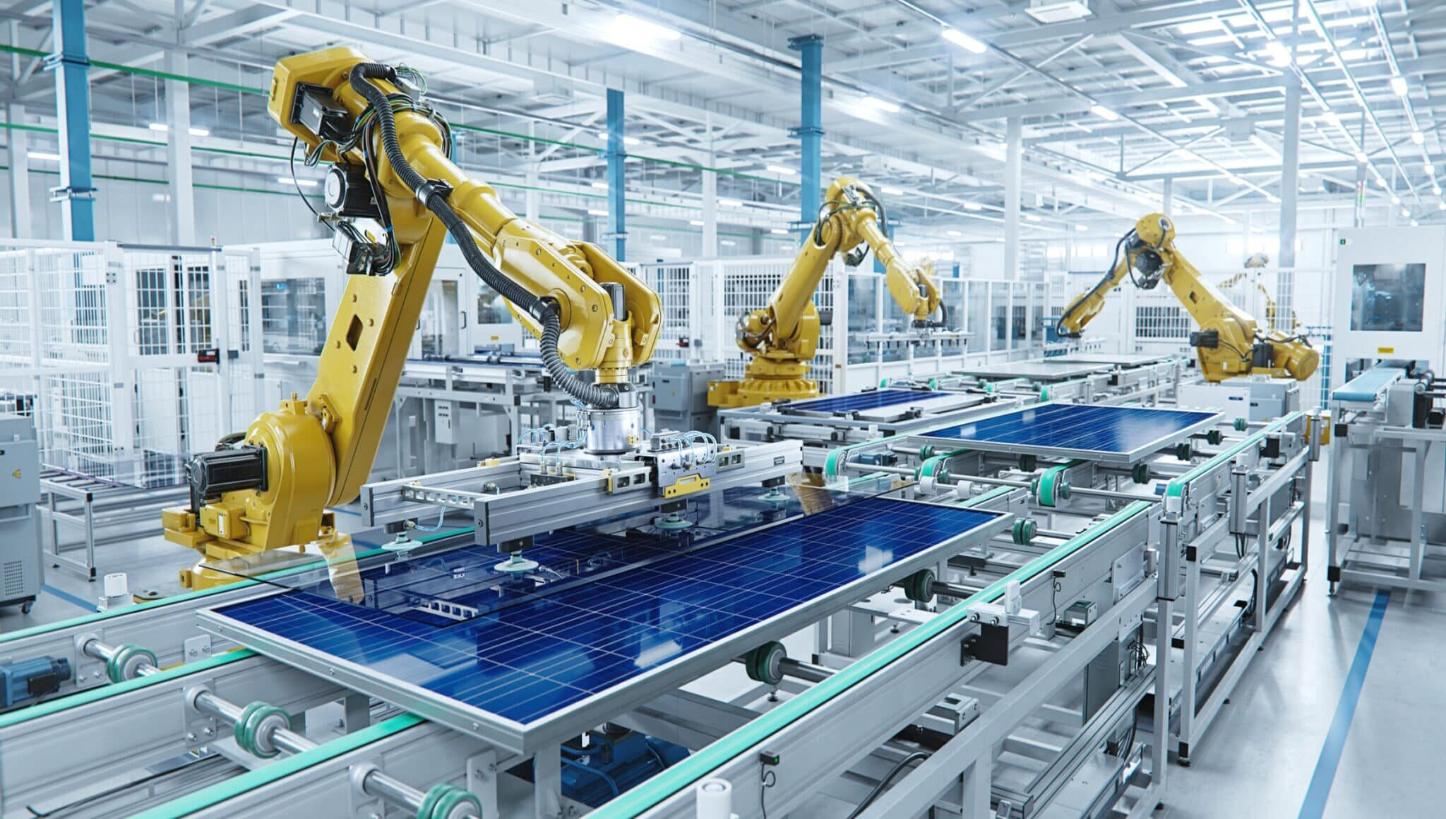
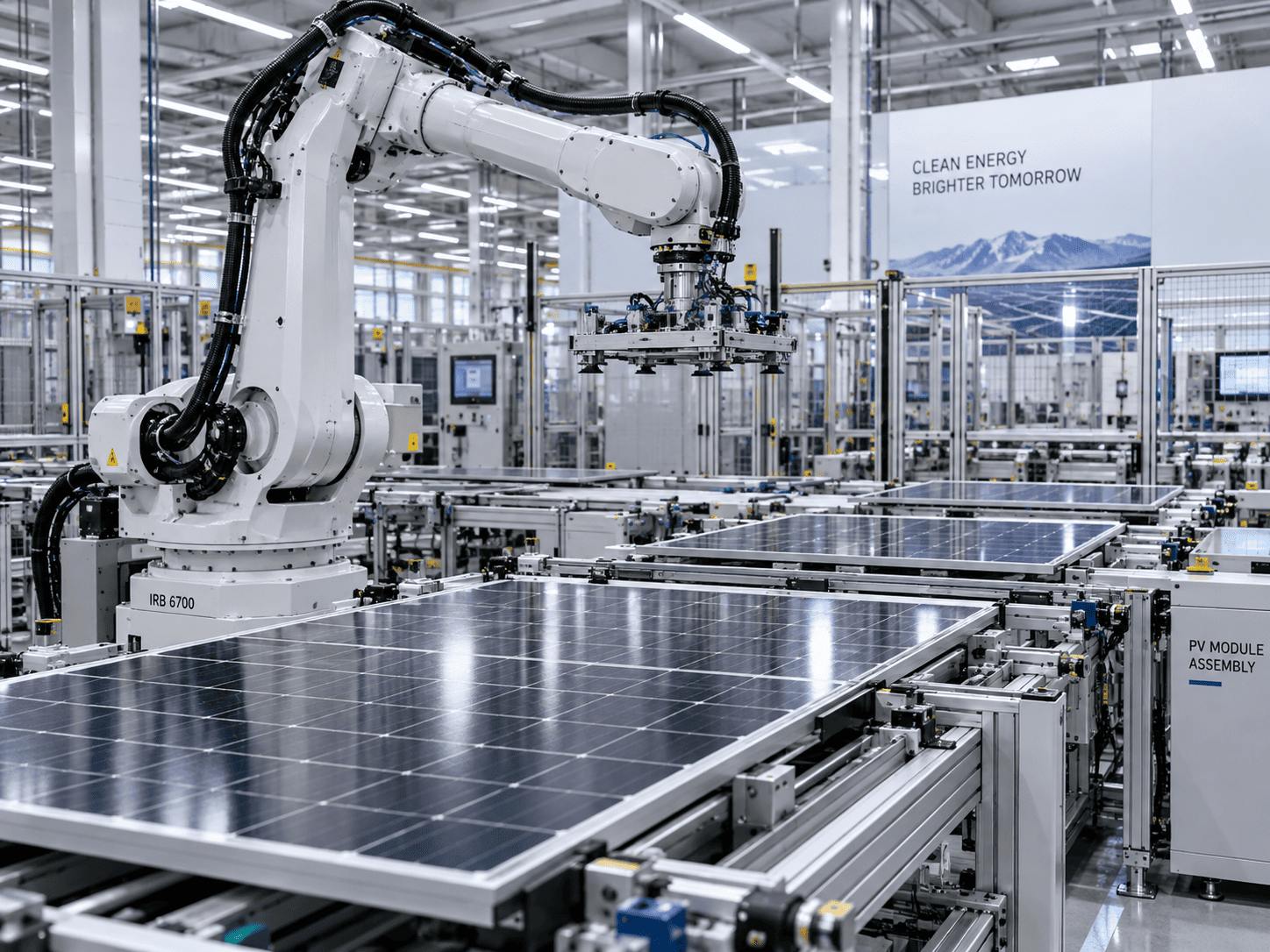
Solar cell manufacturing line
Solar cells
3.6 GW

HJT-technology cell manufacturing as the campus's first production phase. Planned capacity of 3.6 GW.

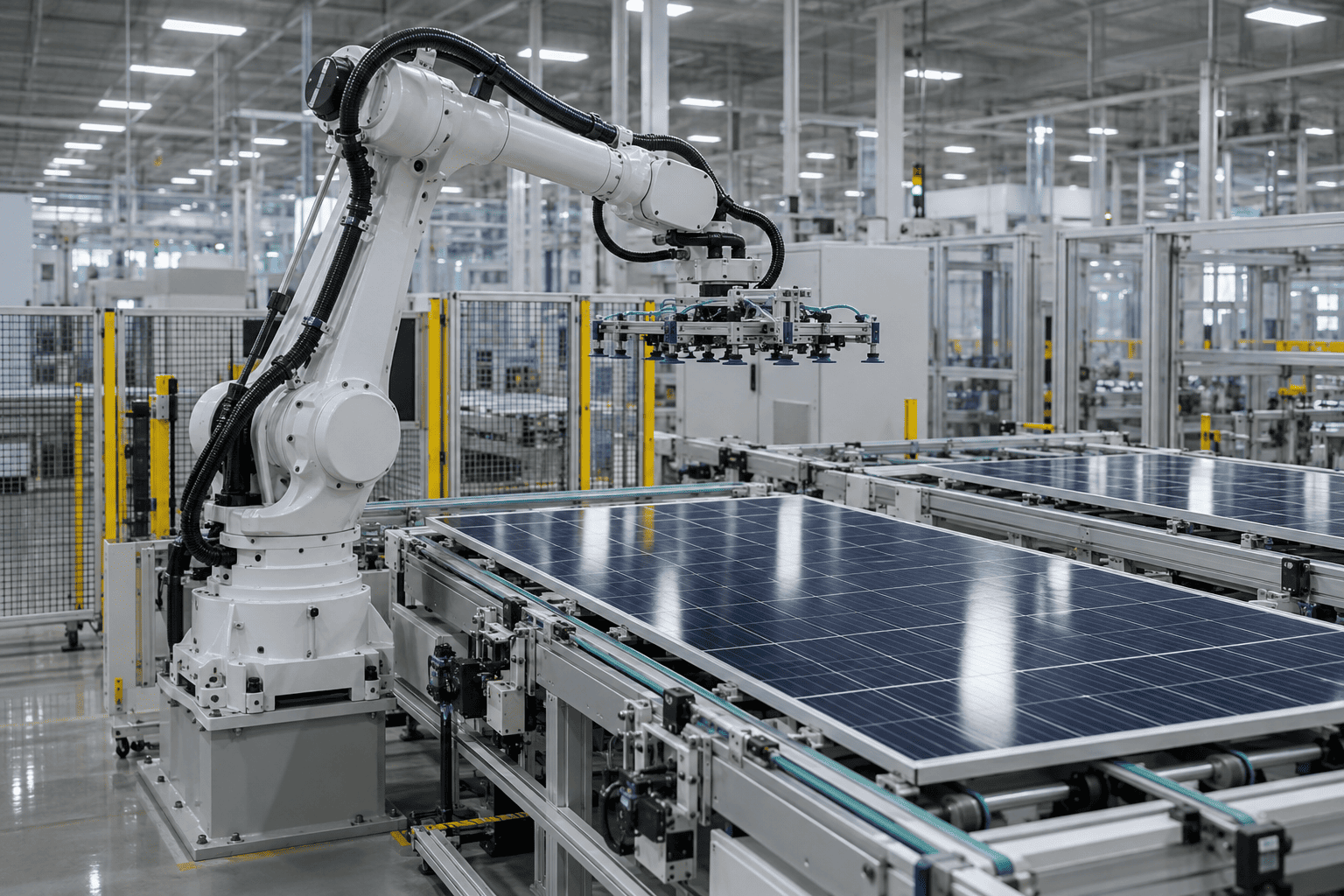
Module assembly line
Solar modules
3.0 GW

Finished solar panels for residential, commercial, and utility-scale use. Planned capacity of 3.0 GW.

Solar glass — future phase
Solar glass
Future

Future phase, subject to separate review and approval.

Real Jobs. Real Investment. Real Impact for Gallup.

At Full Buildout

Total investment (full buildout)Up to $5 billion
Permanent jobs at full buildout~900
Construction jobs1,000+
Behind-the-meter power capacityUp to 1 GW
Initial construction windowThrough 2028

Initial construction is anticipated to proceed through 2028, although the schedule may evolve as financing, design, and permitting advance. Final job counts, investment levels, and phase timing will depend on project execution and market conditions.

What the Jobs Pay

$69,000
Average annual wage
$28/hr
Average hourly rate
$25/hr
Lowest hourly rate

Gallup Poverty Rate in Context

Gallup, NM26.8%
New Mexico~17–18%
United States~11–12%

Rates vary by source and year. If developed as planned, the project's employment and investment could contribute meaningfully to closing this gap over time.

Automated module production line Gallup, New Mexico solar generation 3D-printed employee housing concept

How Will the Community Benefit?

If developed as planned, the project has the potential to:

01Jobs (direct + indirect)Create approximately 900 potential long-term jobs at full buildout
02We create our own waterWe use the designated waste water for our industrial processes. We invest in improvements to the waste water treatment plant
03We create our own powerBehind the Meter electricity. We don't use electricity designated for consumers
04Help develop manufacturing in GallupStrengthen Gallup's manufacturing base and diversify the regional economy, and position Gallup as a leader in advanced manufacturing and clean-energy production
05Employee housingProvide housing for employees, using 3D-printing technology to reduce construction cost
06Construction employmentGenerate substantial construction employment during development
07Generate tax revenueProvide tax revenue for the City of Gallup and McKinley County
08Onsite clinicSupport an onsite health clinic, planned to also be open to Gallup residents and tribal communities for preventive care
09Employee ownershipOffer employee-ownership opportunities as part of the compensation structure
10Advanced fiber connectivityAdvance a fiber-optic project to expand high-speed broadband access in the area
11Reduce povertyHelp reduce the poverty rate in Gallup and surrounding communities
12Local hiringExpand opportunities for local contractors and suppliers
13Provide waterSupport a sister-entity project developing 100 million gallons per day of desalinated water for delivery to New Mexico
14Organic job growthOffer the ability to grow within the company, with a high-school degree preferred for entry-level roles

Water & Power

Reverse-osmosis water treatment plant

How the Water Works

Allocated effluent
Onsite reverse osmosis
Manufacturing use

Water availability is an important concern for any major industrial project. Convalt Energy will not use Gallup's drinking-water supply for its manufacturing processes.

The onsite plant is planned to treat roughly 1 million gallons per day of effluent water from the City of Gallup, delivered through an existing Gallup Land Partners pipe, with Convalt installing the connecting pipes at its own cost. Treated water is recycled across the manufacturing and power operations.

Manufacturing operations will rely exclusively on effluent (sewer water) already allocated for the project, and will not draw on any unallocated effluent set aside for future municipal or community needs.

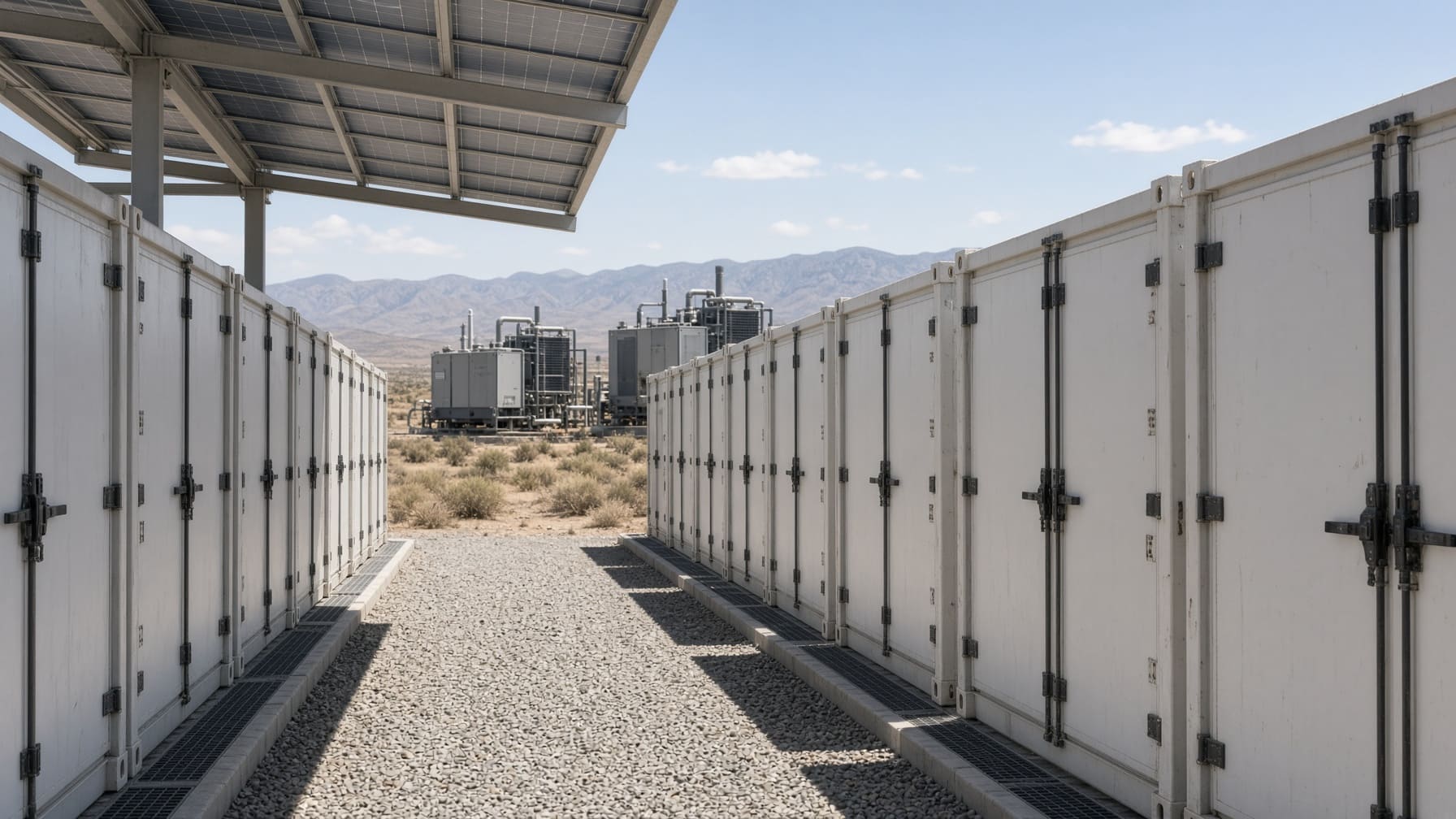
Battery energy storage containers

How the Power Works

Solar + battery + gas backup
Behind-the-meter generation
Campus operations

"Behind the meter" means power generation intended primarily to serve the campus directly, rather than drawing the project's full operating demand from the city's electric system. Current plans contemplate up to 1 GW of behind-the-meter capacity as part of the industrial campus — not as a separate utility-scale power project.

The energy system is expected to combine solar generation with battery storage and gas engines for periods when solar production alone is insufficient. The gas engines will incorporate emissions controls and noise attenuation and will comply with applicable air-quality, noise, safety, and construction requirements.

Why Gallup?

Gallup has long been a community shaped by energy, industry, and change. For generations, the region's economy has been tied to energy production — from coal mining and uranium to oil refining and related industries — which helped build communities, create jobs, and establish Gallup's place in the region's economic history.

Gallup Land Partners has spent more than a decade investing in infrastructure, land planning, and partnerships with local, state, and regional organizations to prepare the area for large-scale economic development.

The proposed Convalt Energy project represents the next chapter in Gallup's history as an energy community — this time through advanced manufacturing and solar energy. Rather than moving away from Gallup's industrial heritage, the project reflects how that heritage can evolve as America's energy needs and technologies change.

Solar cell manufacturing, Convalt Energy

Convalt Energy Timeline

2011
Convalt Energy founded, initially focused on renewable-energy projects internationally
2013–20
Renewable power development in Southeast Asia and Africa
2021
Pivoted to U.S. solar manufacturing; acquired panel equipment for a New York facility
2025–26
Scaling U.S. solar-panel production; advancing the Gallup, NM project

What Happens Next?

The project is continuing through the normal development process, including financing, final engineering and design, land-use approvals, permitting, utility and water planning, and environmental review. Public hearings and other required review processes will provide opportunities for questions, evidence-based evaluation, and community participation as the project advances.

Gallup Land Partners and Convalt Energy are committed to working closely with the community throughout this process and to providing accurate, transparent information as the project moves forward.

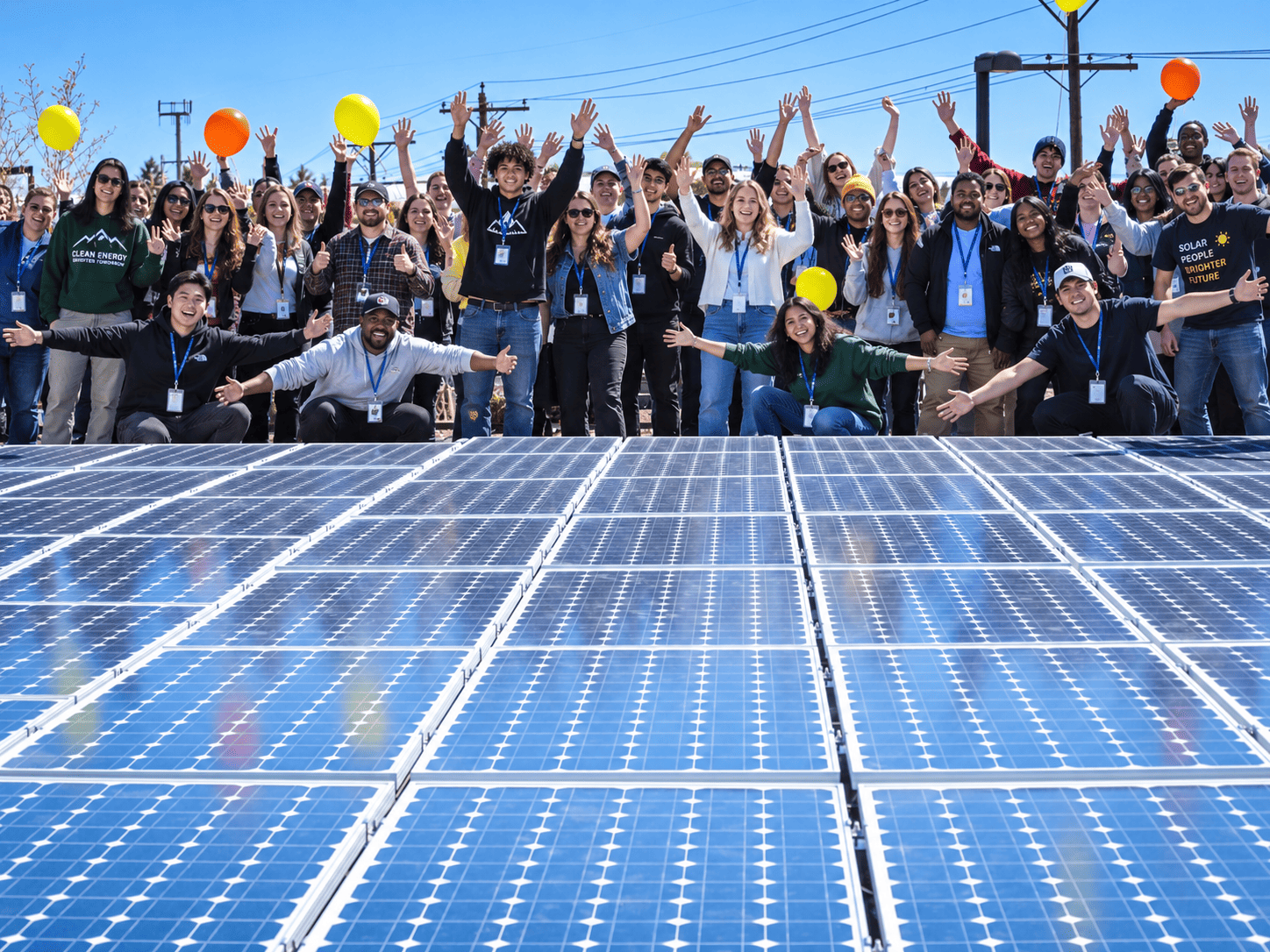
Solar installation

Construct with capital and conscience.

Convalt Energy  /  Gallup, New Mexico

Questions Residents Are Asking

No. This is an advanced-manufacturing campus producing solar cells and solar modules. Computing systems on site support manufacturing operations, not third-party data hosting.

No. The project will use only previously-allocated treated effluent (sewer water), further processed onsite via reverse osmosis. It will not draw on drinking water or on unallocated effluent reserved for future community needs.

The project intends to meet its own power needs primarily through onsite behind-the-meter generation (solar, battery storage, and gas-engine backup) rather than relying on Gallup's existing grid.

Approximately 900 permanent jobs at full buildout, plus 1,000+ construction jobs during development.

Initial construction is currently anticipated to proceed through 2028, though timing may shift with financing, design, and permitting.

Through public information sessions, hearings, and the project contact channels listed on this site.